Cochlear implant surgery in Mumbai may be an option for children and adults with significant sensorineural hearing loss who receive insufficient benefit from appropriately fitted hearing aids.
Dr. Varun Jitendra Dave, an ENT Consultant and Cochlear Implant Specialist with clinical experience across India and the United Kingdom, provides cochlear implant assessment, surgical planning and guidance on postoperative hearing rehabilitation.
Cochlear implants are electronic medical devices that bypass damaged sensory cells in the inner ear and electrically stimulate the auditory nerve. They may improve access to sound and speech in appropriately selected patients, although they do not restore normal hearing.
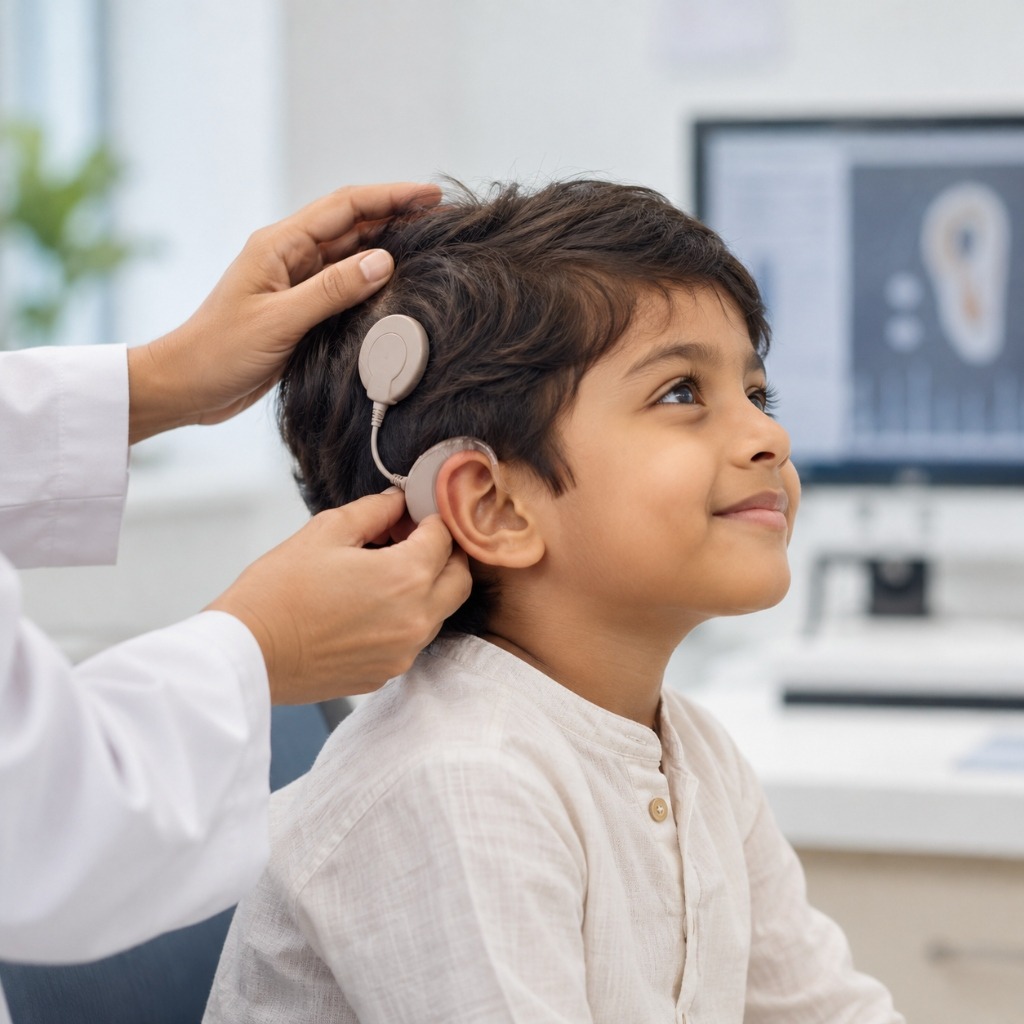
Choosing a cochlear implant surgeon involves reviewing relevant clinical qualifications, surgical training, hearing assessment facilities and access to postoperative rehabilitation.
Dr. Varun Jitendra Dave's stated professional background includes:
Patients and families can discuss the suitability of cochlear implantation, expected hearing outcomes, possible complications and long-term care requirements during consultation.

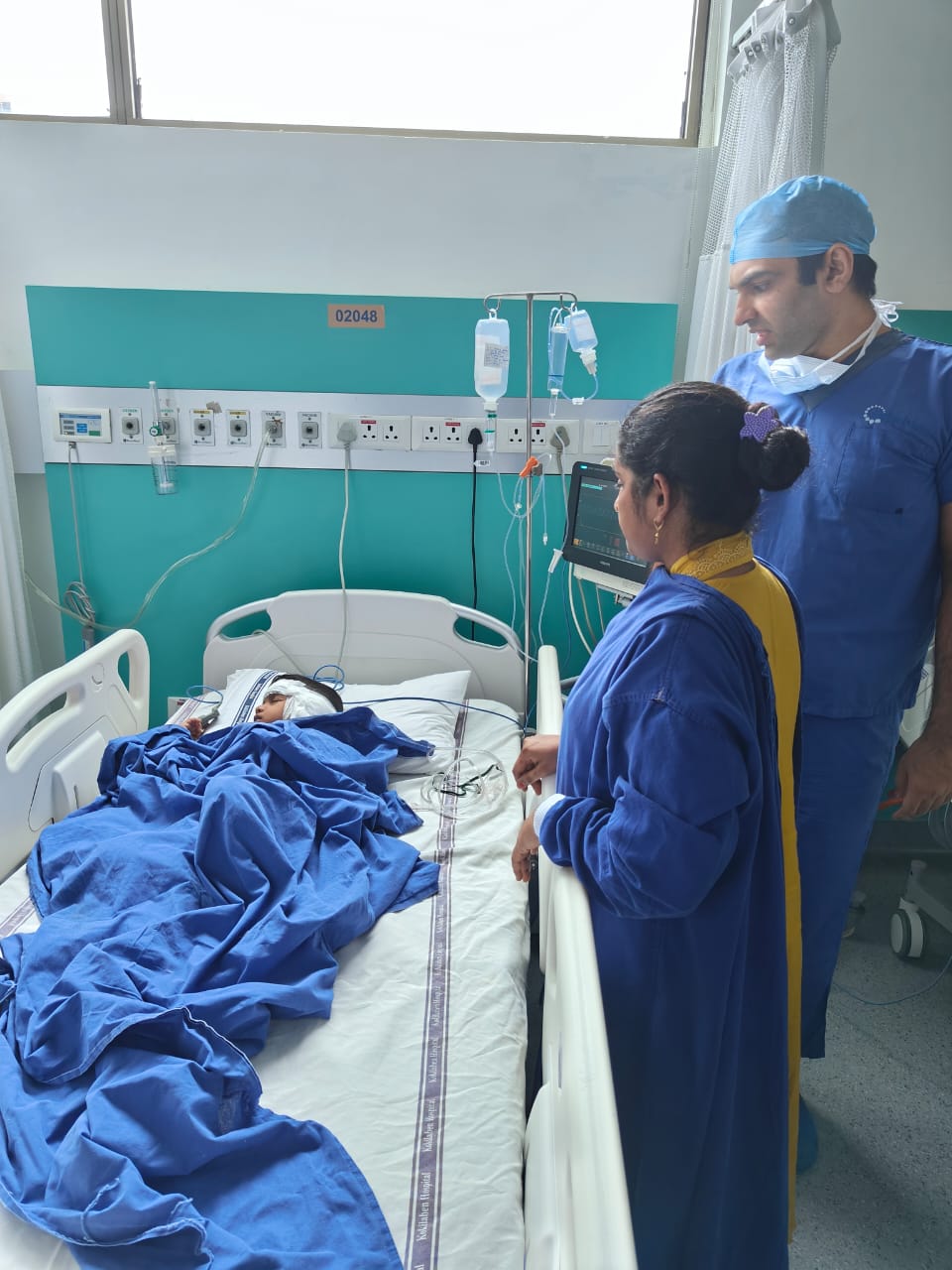
Beyond his clinical practice, Dr. Varun Jitendra Dave is the Founder Trustee of Aarya Charitable Trust, an initiative dedicated to supporting children from economically disadvantaged backgrounds.
Recognising the financial challenges associated with cochlear implant treatment, Aarya Charitable Trust works towards helping eligible children access hearing healthcare, timely evaluation and continued support.

Supporting eligible children who require cochlear implant treatment.

Helping families facing financial difficulties, subject to eligibility and available resources.

Encouraging early identification and timely evaluation of hearing impairment in children.
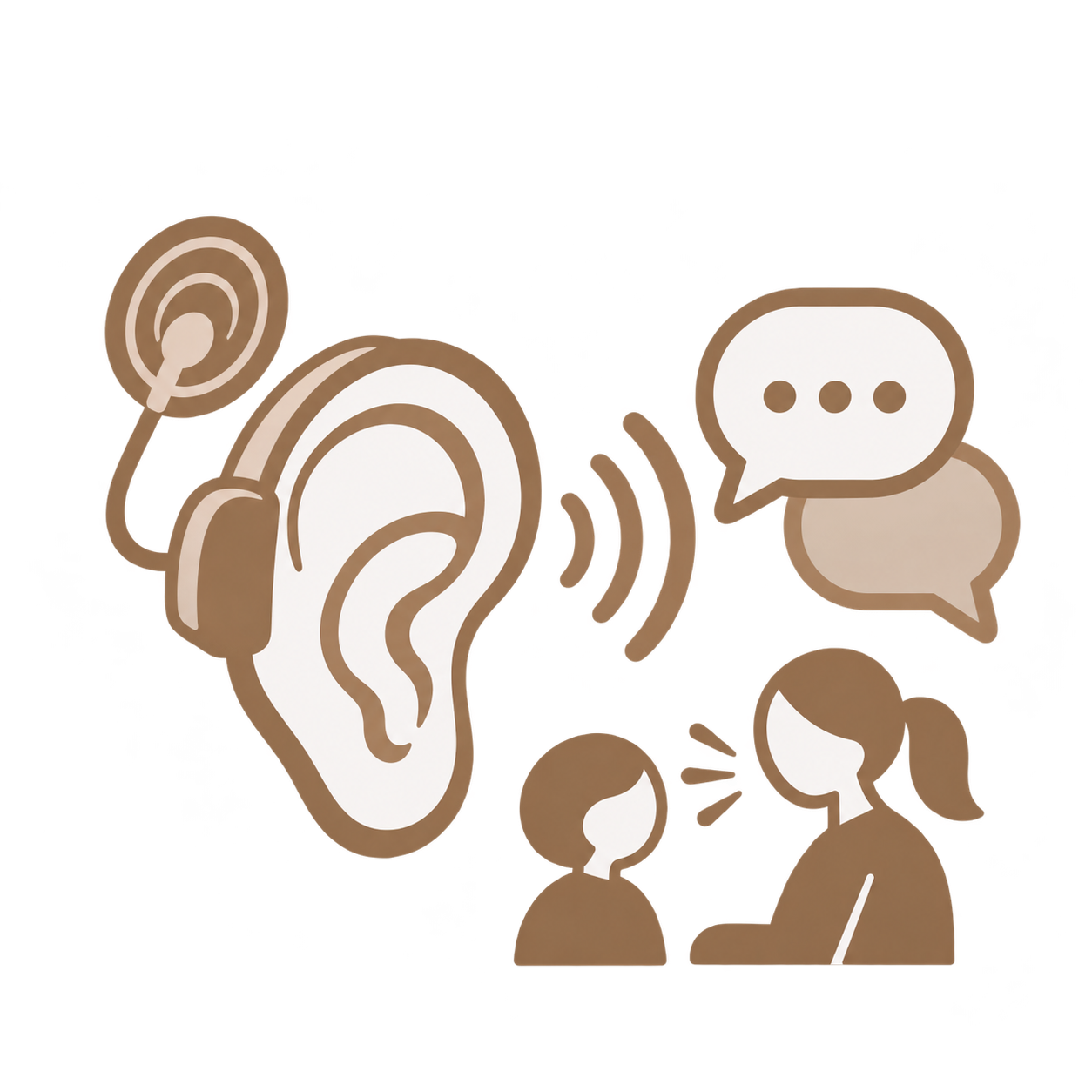
Promoting speech therapy, auditory training and continued follow-up after implantation.
Through Aarya Charitable Trust, Dr. Varun Dave aims to help bridge the gap between the need for advanced hearing treatment and the ability of underprivileged families to access it.
Because every child deserves an opportunity to hear, communicate and build a brighter future, irrespective of their financial circumstances.
Dr. Varun Jitendra Dave is an ENT Consultant and Cochlear Implant Specialist with over a decade of clinical experience in India and the UK.
His stated professional background includes NHS England certification to independently perform cochlear implant procedures. For individuals considering cochlear implant surgery in Mumbai, Dr. Varun Dave evaluates the nature and severity of hearing loss, previous hearing aid use, medical history and the suitability of implantation.
Detailed hearing and speech perception assessment.
Evaluation of previous hearing aid benefit.
Examination of the ear and relevant auditory structures.
Review of medical and surgical suitability.
Discussion of potential benefits, risks and limitations.
Planning for device activation, programming and rehabilitation.
Clinical Note: The decision to proceed with cochlear implantation is based on clinical findings, established candidacy criteria and individual communication needs.
Cochlear implant surgery is a procedure in which an electronic hearing device is implanted to provide access to sound for individuals with certain types of significant sensorineural hearing loss.
The cochlea is a spiral-shaped structure in the inner ear that normally converts sound vibrations into electrical signals. When its sensory hair cells are damaged, hearing may be reduced even when sounds are amplified.
A cochlear implant bypasses these damaged cells and delivers electrical stimulation to the auditory nerve.
The brain gradually learns to interpret these signals as sound, particularly with appropriate device programming and rehabilitation.
A cochlear implant does not cure hearing loss or reproduce normal hearing.
Its effectiveness varies according to factors such as age, duration of hearing loss, auditory nerve function and previous hearing experience.
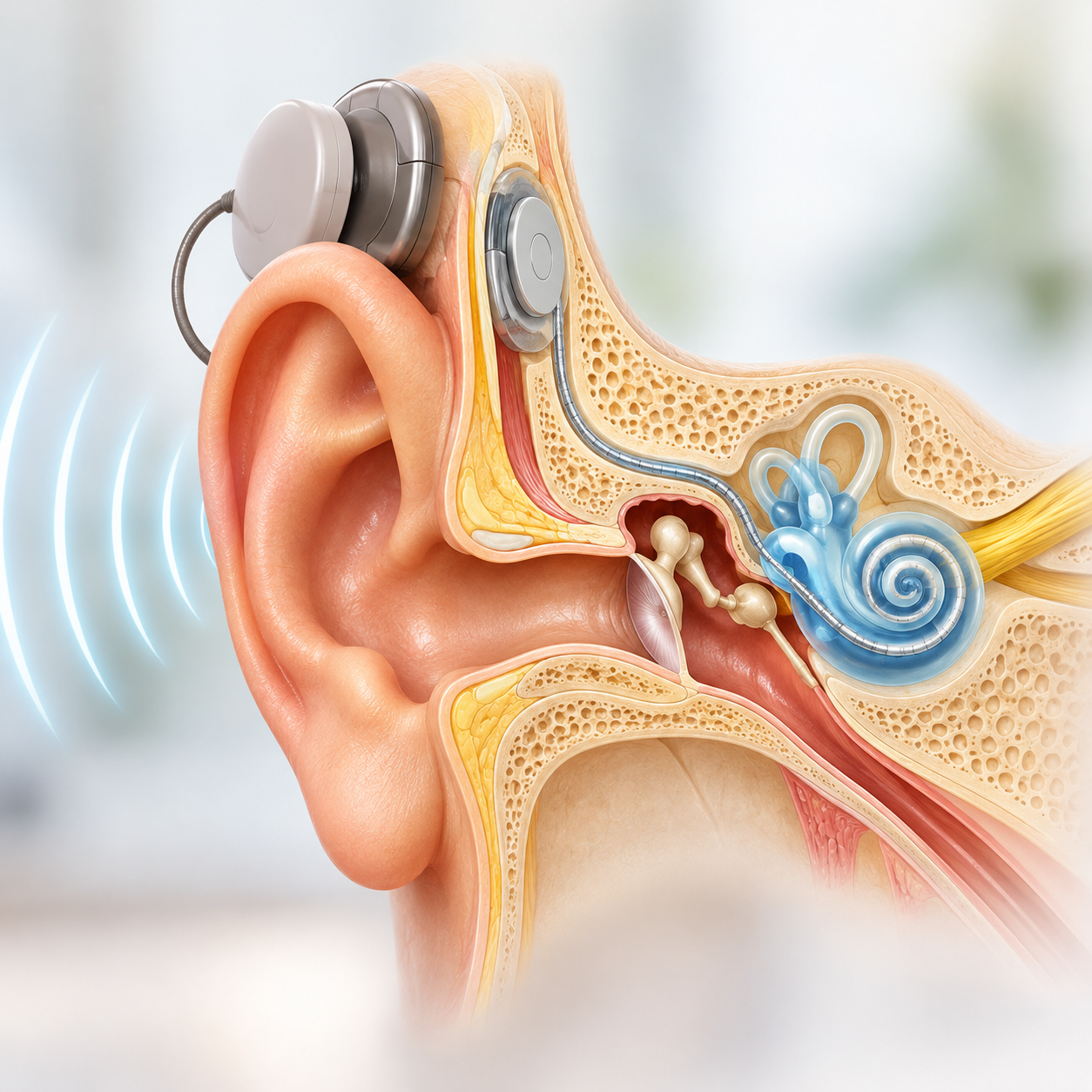
A cochlear implant consists of external and surgically implanted components that work together to process and transmit sound information.
The external component is worn on or near the ear, depending on the device model. It generally includes:
The internal component is placed surgically. It includes:
From external acoustic sound waves to precise electrical stimulation and brain interpretation:
The microphone captures sound from the environment.
The sound processor analyses and converts the sound into coded information.
The transmitting coil sends this information to the implanted receiver.
The electrode array stimulates the auditory nerve.
The brain interprets the incoming signals as sound.
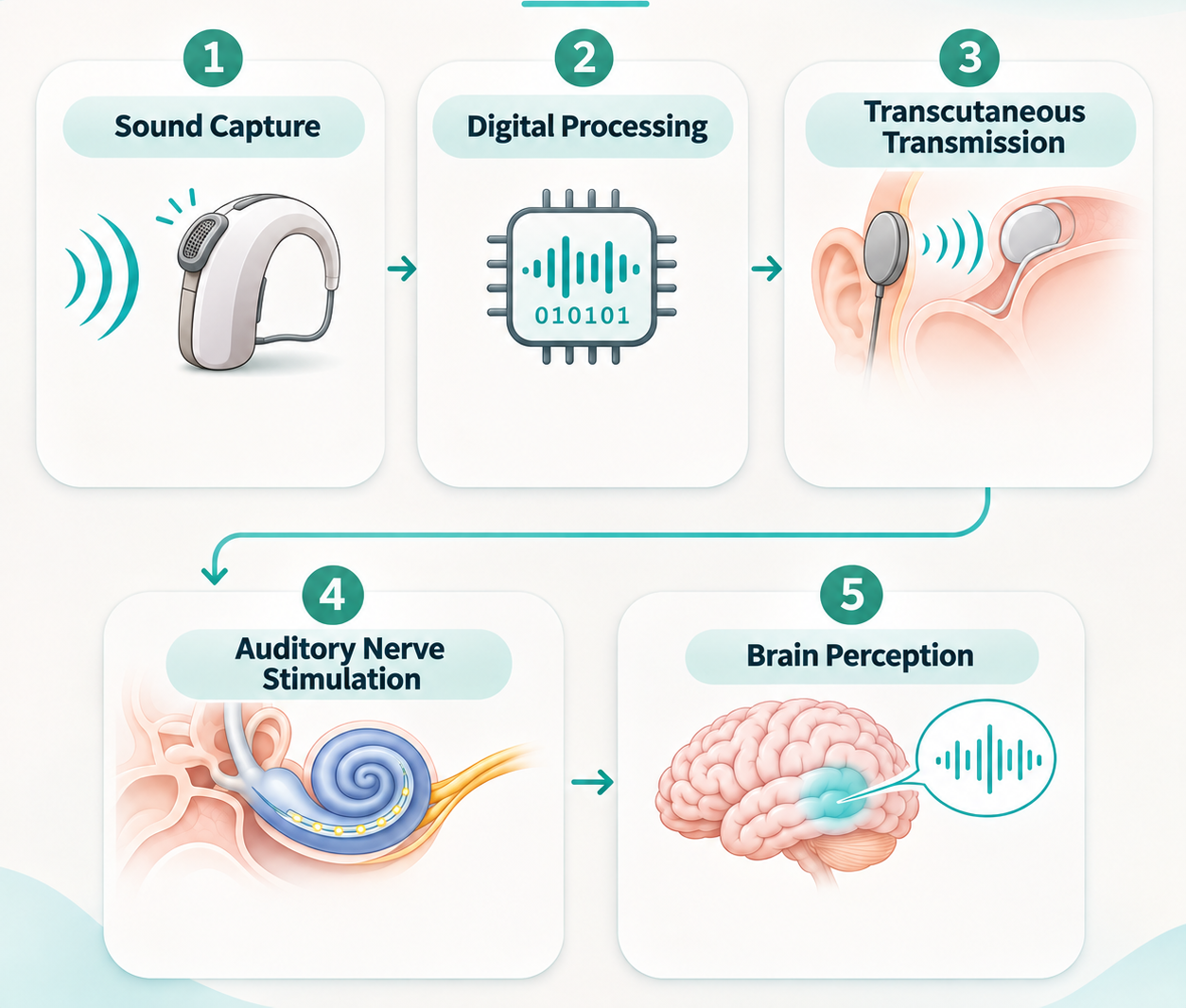
Note: The quality of hearing achieved depends on the individual's auditory system, device programming and rehabilitation.
Cochlear implantation may be considered when hearing aids do not provide sufficient access to speech and other important sounds.
Potential candidates may include:
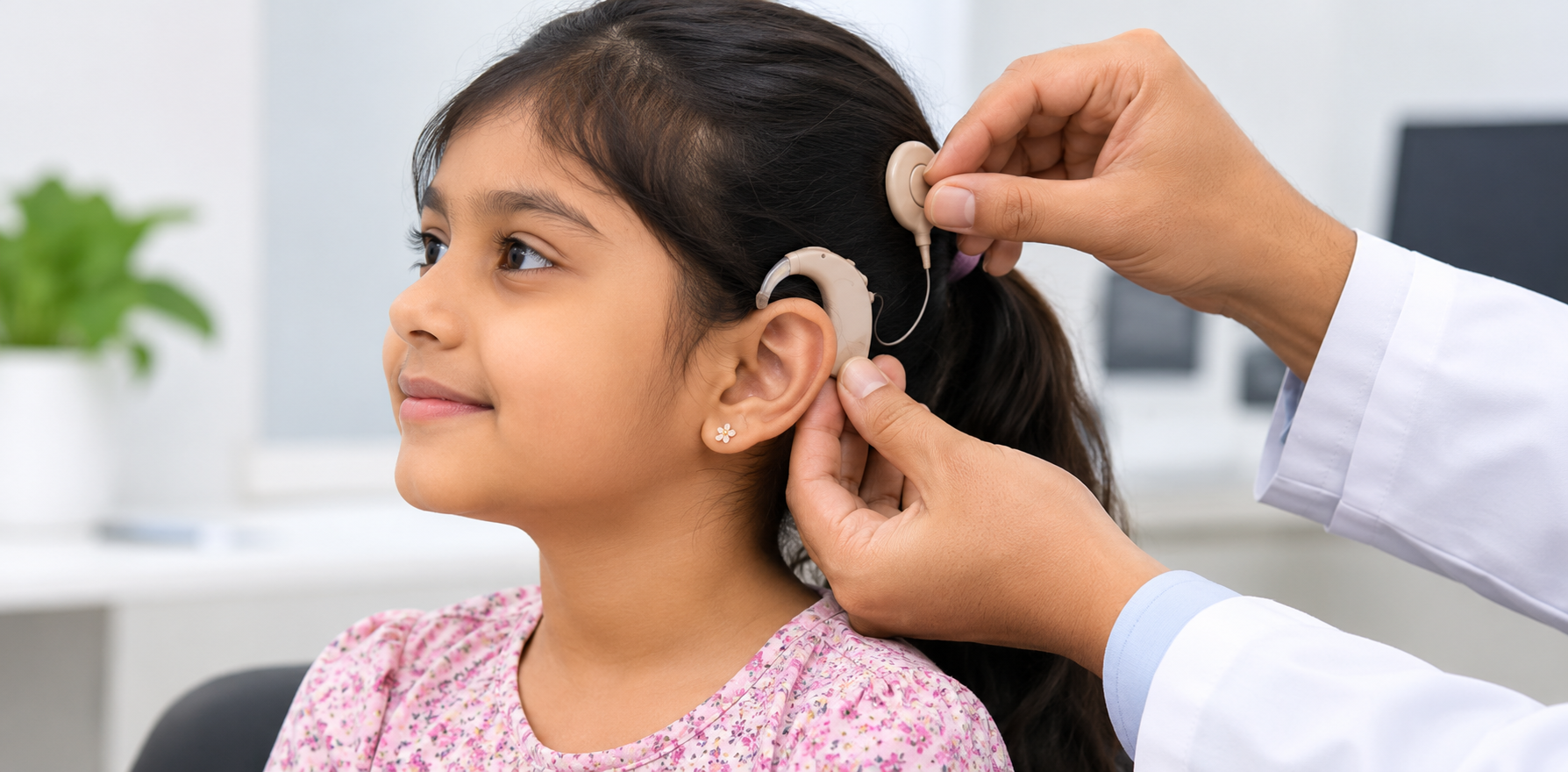
Eligibility is not determined by hearing thresholds alone.
Audiological testing, speech understanding, auditory nerve anatomy, medical factors and individual communication needs all contribute to the decision.
Some patients with residual hearing may also qualify for implantation under applicable candidacy criteria.
A detailed preoperative assessment helps determine whether cochlear implantation is appropriate and identifies factors that may influence the expected outcome.
Audiological investigations may include:
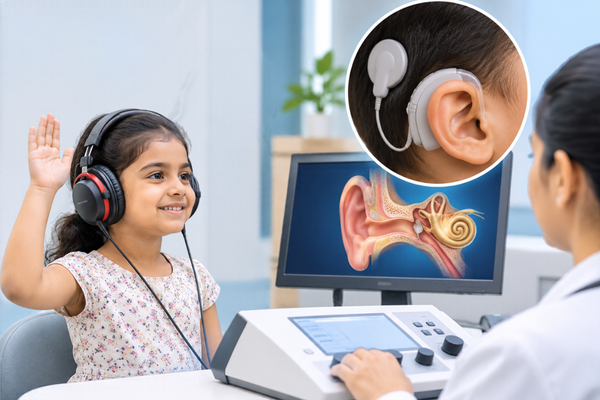
These tests help determine the degree and type of hearing loss and how much benefit is obtained from conventional amplification.
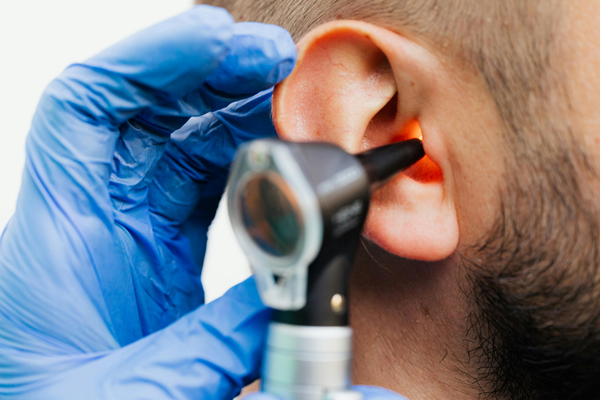
An ENT examination assesses the ear and reviews relevant medical history.
This may include:
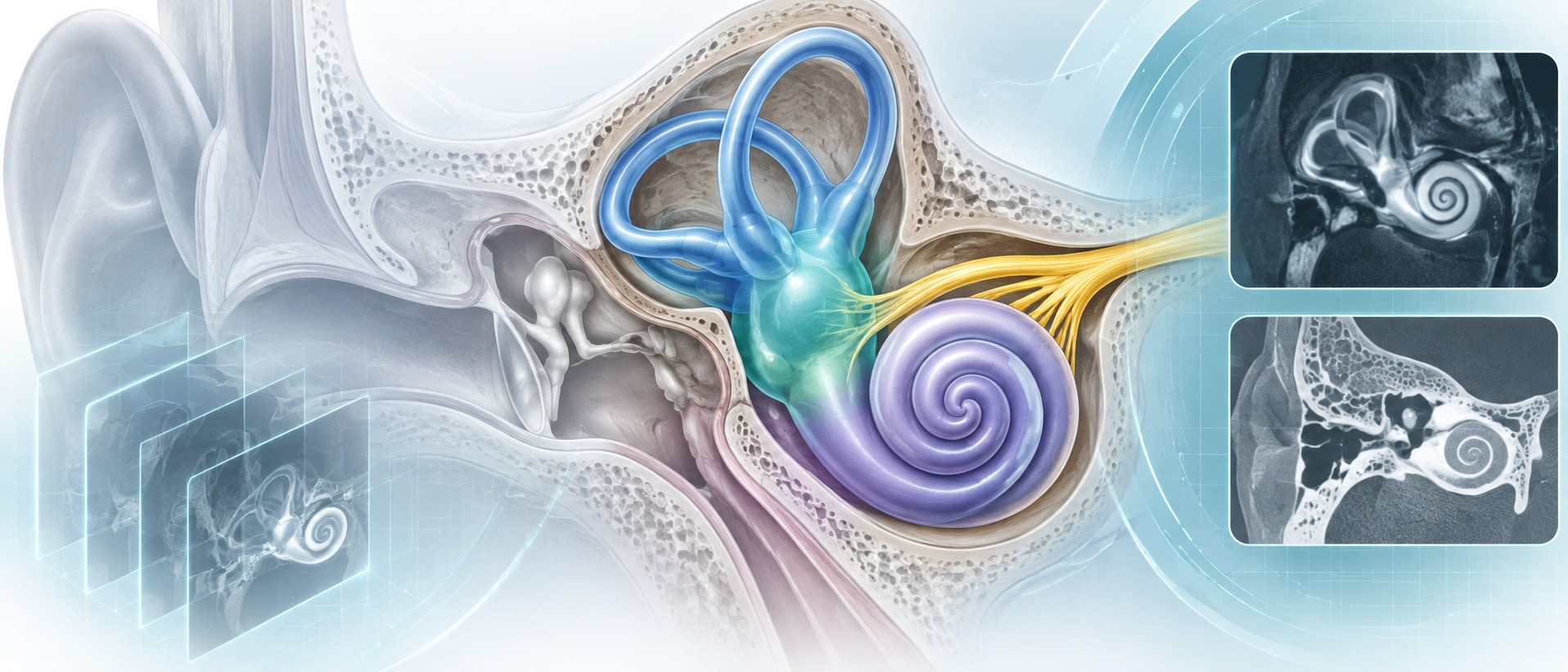
CT or MRI imaging may be recommended to evaluate cochlear anatomy, the auditory nerve and other relevant structures.
Imaging can help identify anatomical variations that may affect implant selection or surgical planning.
For children, assessment may include current communication abilities, speech and language development and developmental needs.
For adults, speech understanding and communication difficulties are considered.

Patients and families receive information about:

Multidisciplinary Care: A multidisciplinary team, including audiologists and speech-language professionals where appropriate, plays an important role in cochlear implant care.
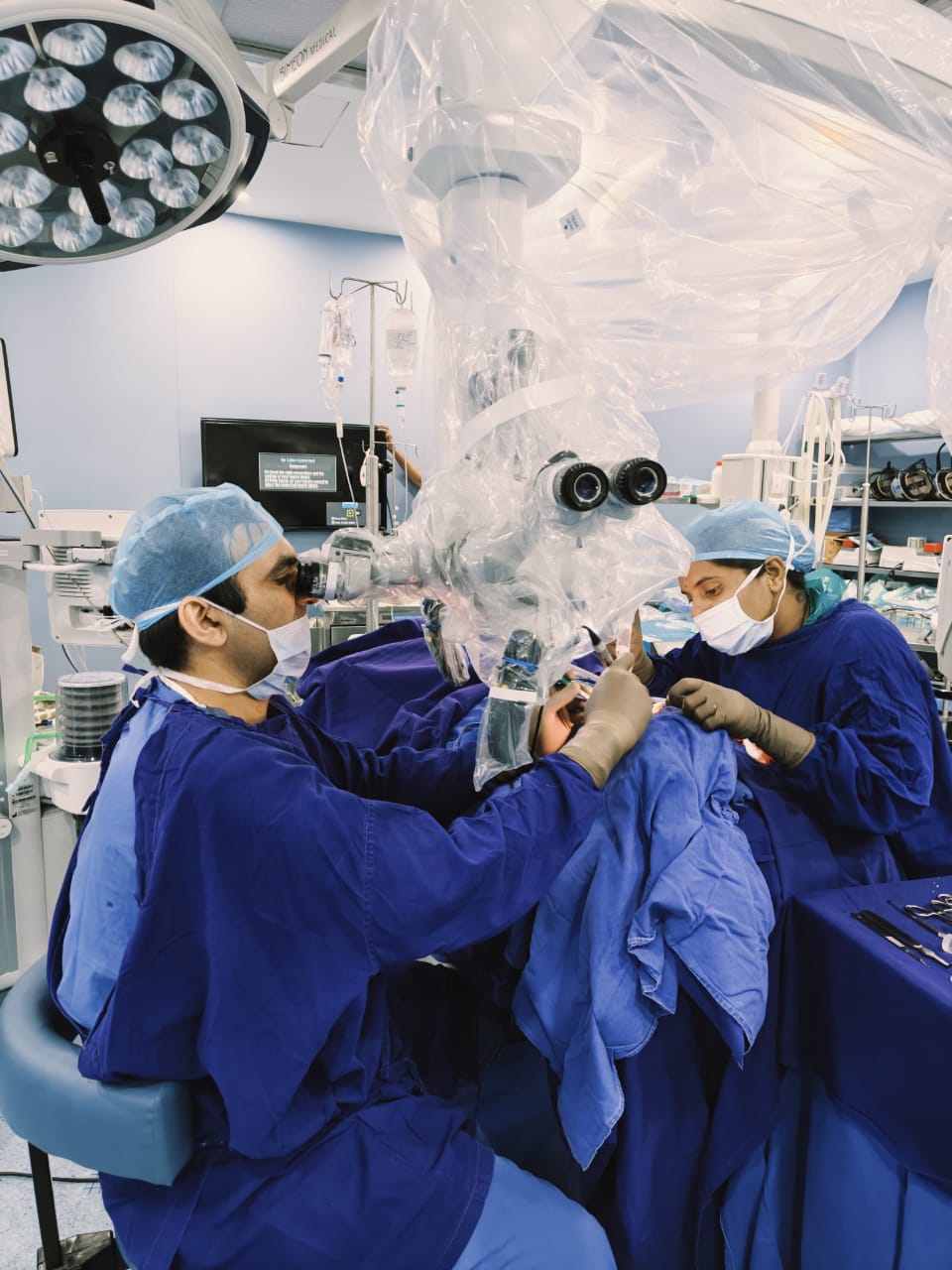
Cochlear implant surgery is generally performed under general anaesthesia. The surgical technique may vary according to the patient's anatomy, age and selected implant system.
Preparation may involve:
The procedure generally involves:
Patients are monitored after anaesthesia and assessed for pain, dizziness, wound healing and other postoperative concerns.
The external sound processor is usually not activated immediately after implantation.
Recovery varies with age, medical condition and surgical complexity.
Patients may experience:
These symptoms often improve gradually, but persistent or worsening symptoms require medical review.

The incision continues to heal, and patients attend follow-up as advised.
Return to school, work and normal activities depends on recovery and the surgeon's recommendations.
Once the surgical site is sufficiently healed, an audiologist activates and programs the sound processor.
The first hearing experience through a cochlear implant may sound unfamiliar.
Repeated programming sessions and auditory training help the patient adapt to electrical hearing.
Improvement in sound awareness and speech understanding may continue over months or longer.
Cochlear implants may provide meaningful hearing and communication benefits for appropriately selected individuals.
The degree of improvement varies. Some recipients achieve substantial speech understanding, while others primarily gain environmental sound awareness or more limited speech perception.
Cochlear implants do not guarantee normal hearing, independent speech understanding or a particular level of language development.
Children with significant hearing loss may require early assessment because auditory access plays an important role in speech, language and communication development.
Cochlear implantation may be considered when a child meets the relevant audiological and medical criteria and receives insufficient benefit from hearing aids.

An assessment may be recommended when:
Early identification allows families and hearing professionals to consider suitable intervention during important developmental stages.
For eligible children, timely implantation and consistent rehabilitation may support listening and spoken-language development.
However, developmental outcomes vary according to age at implantation, hearing history, associated conditions, communication environment and rehabilitation.
Post-implant support may involve:
Families should also receive balanced information about communication approaches and available support services.
Adults with significant hearing loss may experience difficulty understanding conversations, communicating in groups or hearing important environmental sounds.
A cochlear implant assessment may be useful when appropriately fitted hearing aids provide inadequate speech understanding. Adults who may benefit from evaluation include those with:

Age Considerations: Age alone does not determine candidacy. Medical fitness, auditory nerve function, hearing history and expected rehabilitation needs are considered.
Both hearing aids and cochlear implants help people with hearing loss, but they work differently.
| Feature | Hearing Aid | Cochlear Implant |
|---|---|---|
| Mechanism | Amplifies sound. | Converts sound into electrical stimulation. |
| Placement | Worn externally. | Includes surgically implanted and external components. |
| Auditory Pathway | Uses remaining natural auditory function. | Bypasses damaged cochlear hair cells to stimulate the auditory nerve. |
| Surgical Requirement | Does not require implantation surgery. | Requires surgery and postoperative programming. |
| Suitability & Candidacy | Suitable for many types and degrees of hearing loss. | Considered for patients meeting specific implant candidacy criteria. |
Summary: Hearing aids remain an important treatment option for many patients. Cochlear implantation is considered when an appropriate assessment indicates that conventional amplification provides insufficient benefit.
Cochlear implant surgery is one part of a longer hearing rehabilitation process. After the device is activated, patients generally require regular appointments with an audiologist.
Mapping involves adjusting the electrical stimulation settings of the cochlear implant.
The audiologist works to establish appropriate listening levels and refine the device settings based on the patient's responses and test findings.
Auditory rehabilitation helps recipients learn to recognise and interpret sounds delivered through the implant. Activities may include:
Ongoing follow-up may involve:
Consistent device use and rehabilitation are important contributors to hearing outcomes.
Like other surgical procedures, cochlear implantation has potential risks.
These may include:
Appropriate vaccination, surgical planning and postoperative monitoring help address certain risks.
Patients should also understand that hearing through an implant differs from natural hearing and that some listening situations may remain challenging.
The cost of cochlear implant surgery in Mumbai depends on several factors.
These may include:
An individual cost estimate should distinguish between the implant device, surgical charges and ongoing rehabilitation or maintenance expenses.
Some patients may qualify for government assistance schemes or insurance benefits, depending on eligibility, policy terms and participating facilities.
Patients should confirm the availability and current conditions of any financial assistance programme before making treatment decisions.
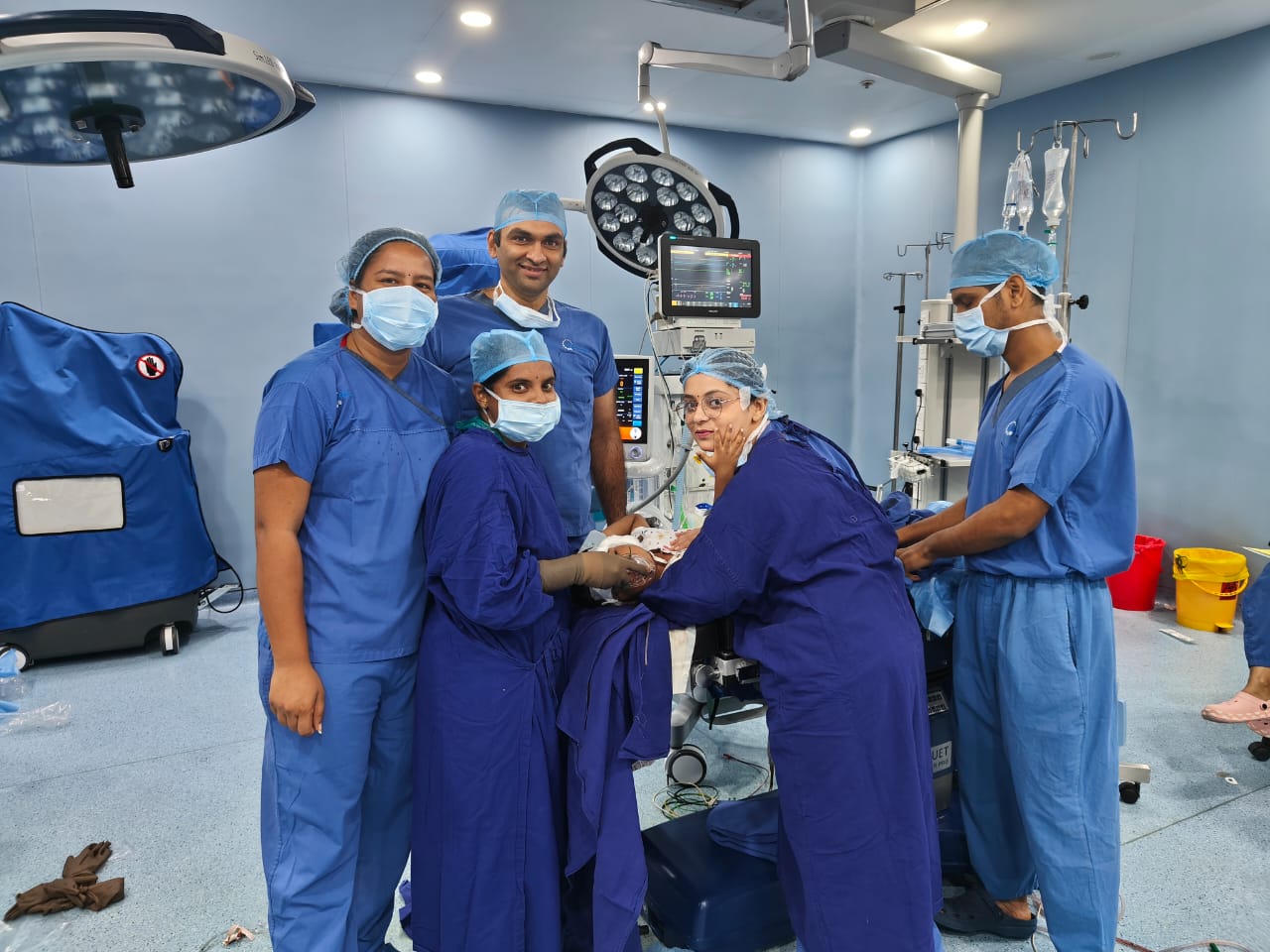
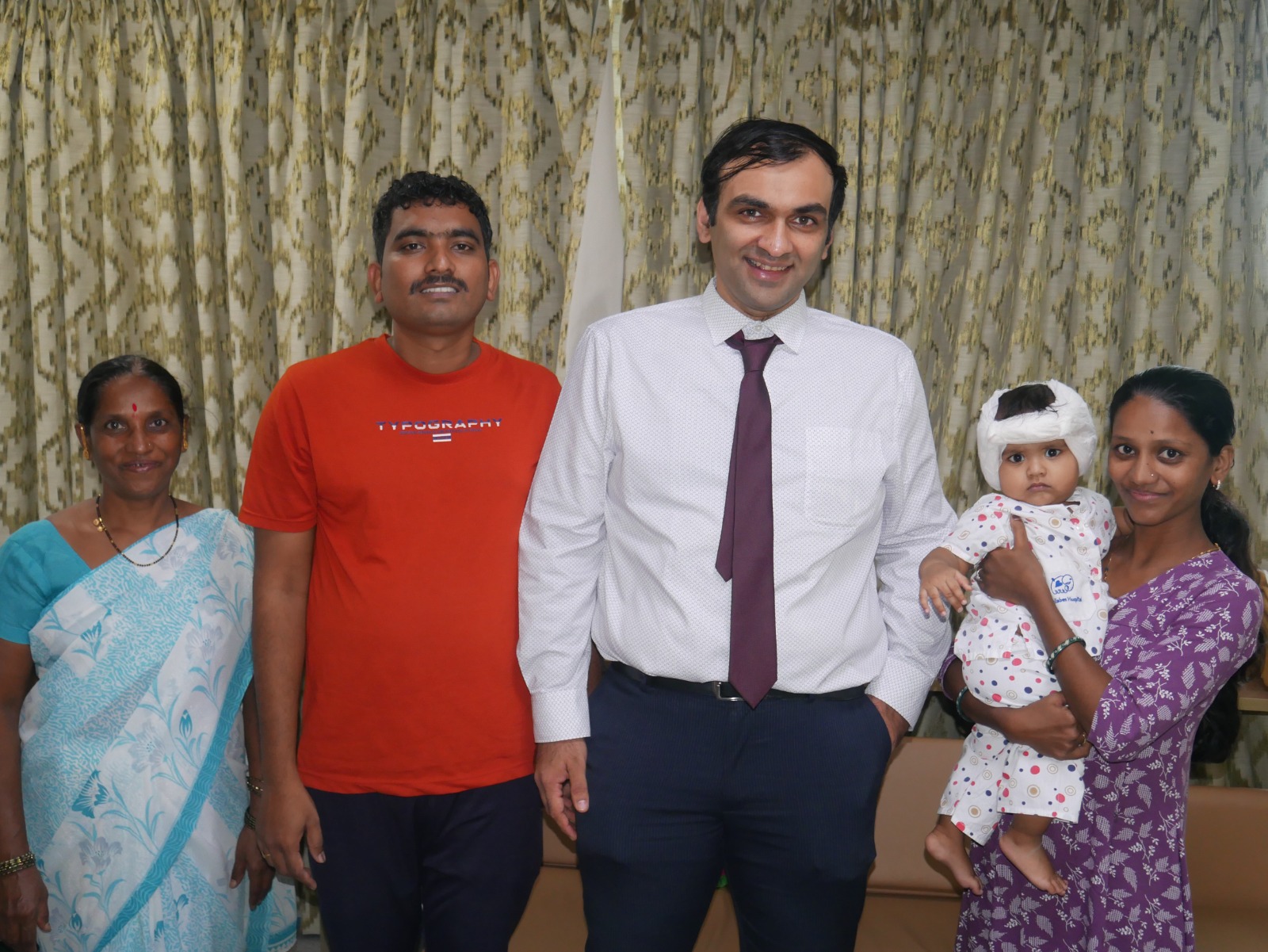
Consultations are available at three established medical centers in western Mumbai.
Patients from Vile Parle, Andheri, Juhu and surrounding areas of Mumbai can contact the clinic to confirm appointment availability.
Direct Phone: +91 87790 87648
If you or your child has significant hearing loss and receives limited benefit from hearing aids, a cochlear implant assessment may help determine suitable hearing rehabilitation options.
Consult Dr. Varun Jitendra Dave for evaluation of hearing loss, discussion of cochlear implant candidacy and information about surgery and long-term rehabilitation.